
Haryana Governor Ashim Kumar Ghosh’s Address to the State Assembly
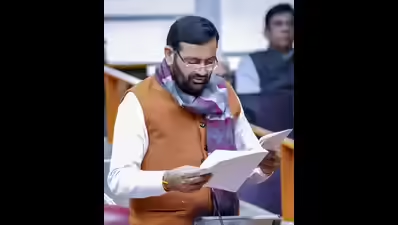
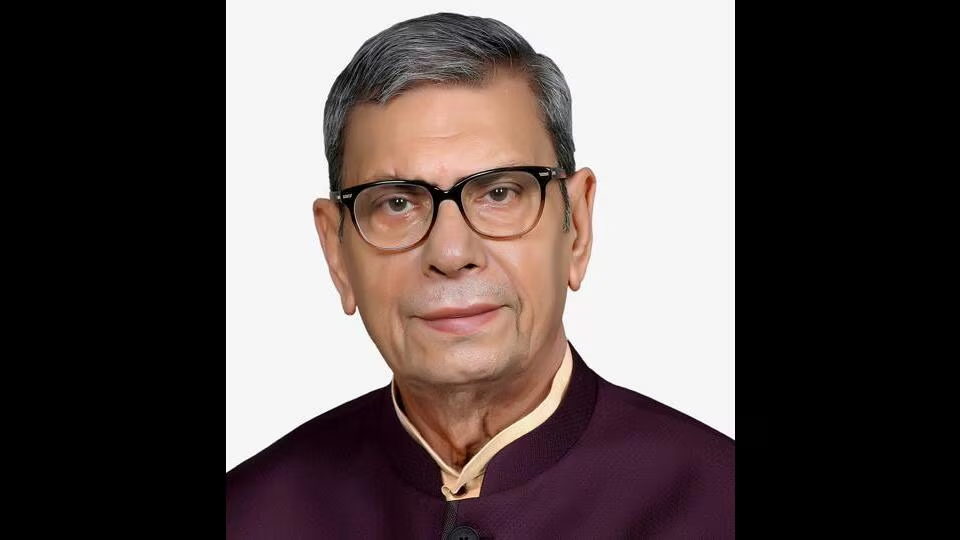
During a session of the Haryana Legislative Assembly, Governor Ashim Kumar Ghosh delivered a formal address calling upon Members of the Legislative Assembly (MLAs) to work beyond partisan lines and focus on the long-term development and welfare of the state. The Governor emphasized that democratic debate is essential, but it should not obstruct governance, public welfare, or policy implementation. He encouraged legislators from both the ruling party and opposition to maintain constructive dialogue and ensure smooth functioning of the House. 📜 Context of the Address The speech was delivered during an official Assembly session in Haryana Legislative Assembly, likely marking the beginning of a budget or special session — occasions when Governors traditionally outline the government’s priorities and legislative agenda. Such addresses typically: In this context, Governor Ghosh highlighted the need for unity to ensure that proposed policies and reforms are implemented effectively. 🤝 Appeal for Bipartisan Cooperation A key theme of the speech was political harmony. The Governor urged MLAs to: He stressed that political disagreements are natural in a democracy but should not hinder governance or delay decisions affecting citizens. 📈 Focus on Haryana’s Future Governor Ghosh reportedly outlined priority areas including: He reiterated that Haryana is at a critical stage of growth and that coordinated efforts between legislators are essential to sustain progress. 🗳️ Political Significance The appeal for unity comes at a time when Assembly sessions can witness sharp exchanges between ruling and opposition benches. Such calls from the Governor are constitutionally significant because: By asking lawmakers to rise above political differences, the Governor reinforced the importance of legislative responsibility and public accountability. 🏛️ Constitutional Role of the Governor Under the Indian Constitution: Governor Ashim Kumar Ghosh’s remarks therefore serve both ceremonial and practical purposes — guiding the direction of governance while encouraging consensus-building.